New fabric collections land in a steady rhythm, and most of the good stuff never reaches a showroom floor before it's spoken for. Knowing how to read a fresh introduction, and how to move on it, is half the game.
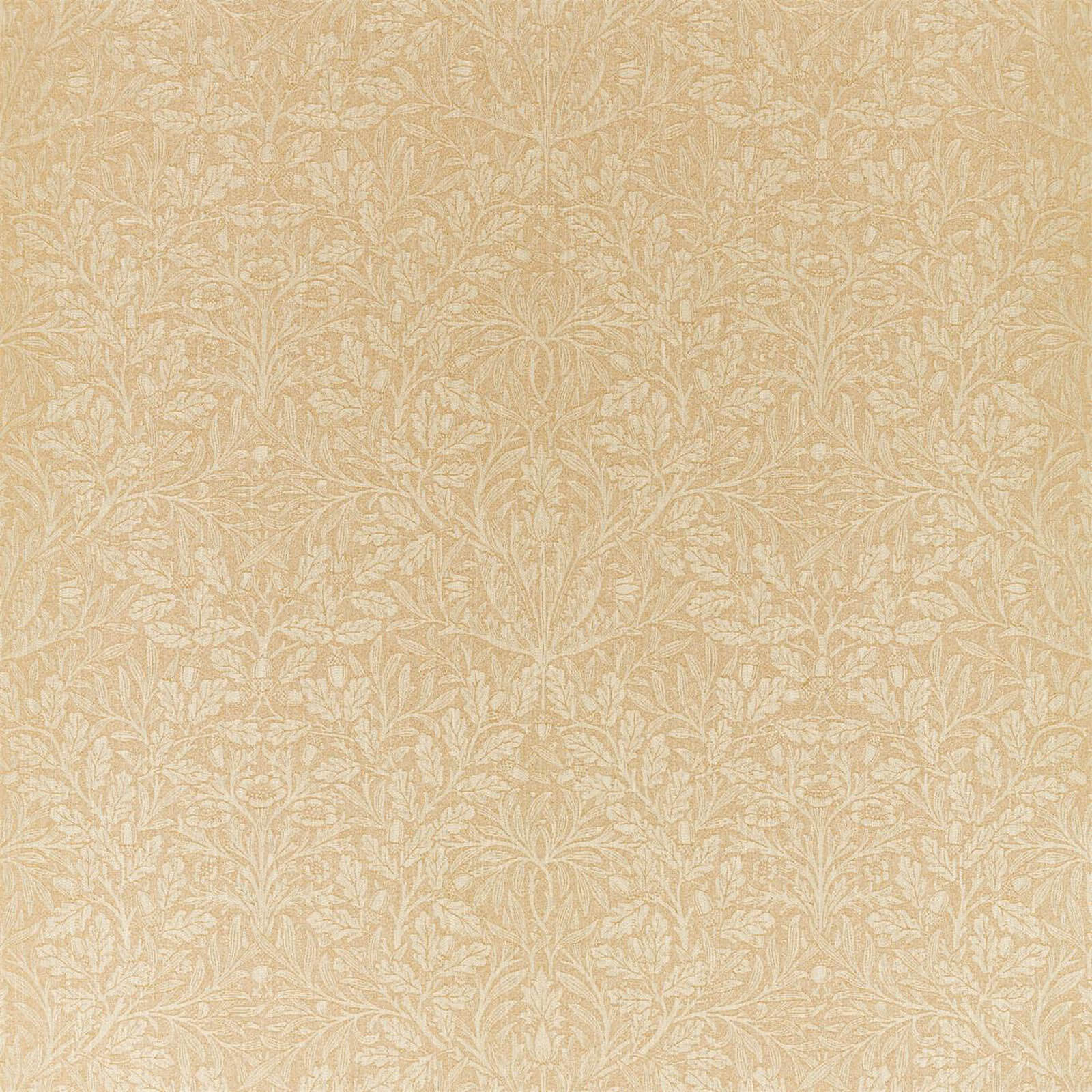
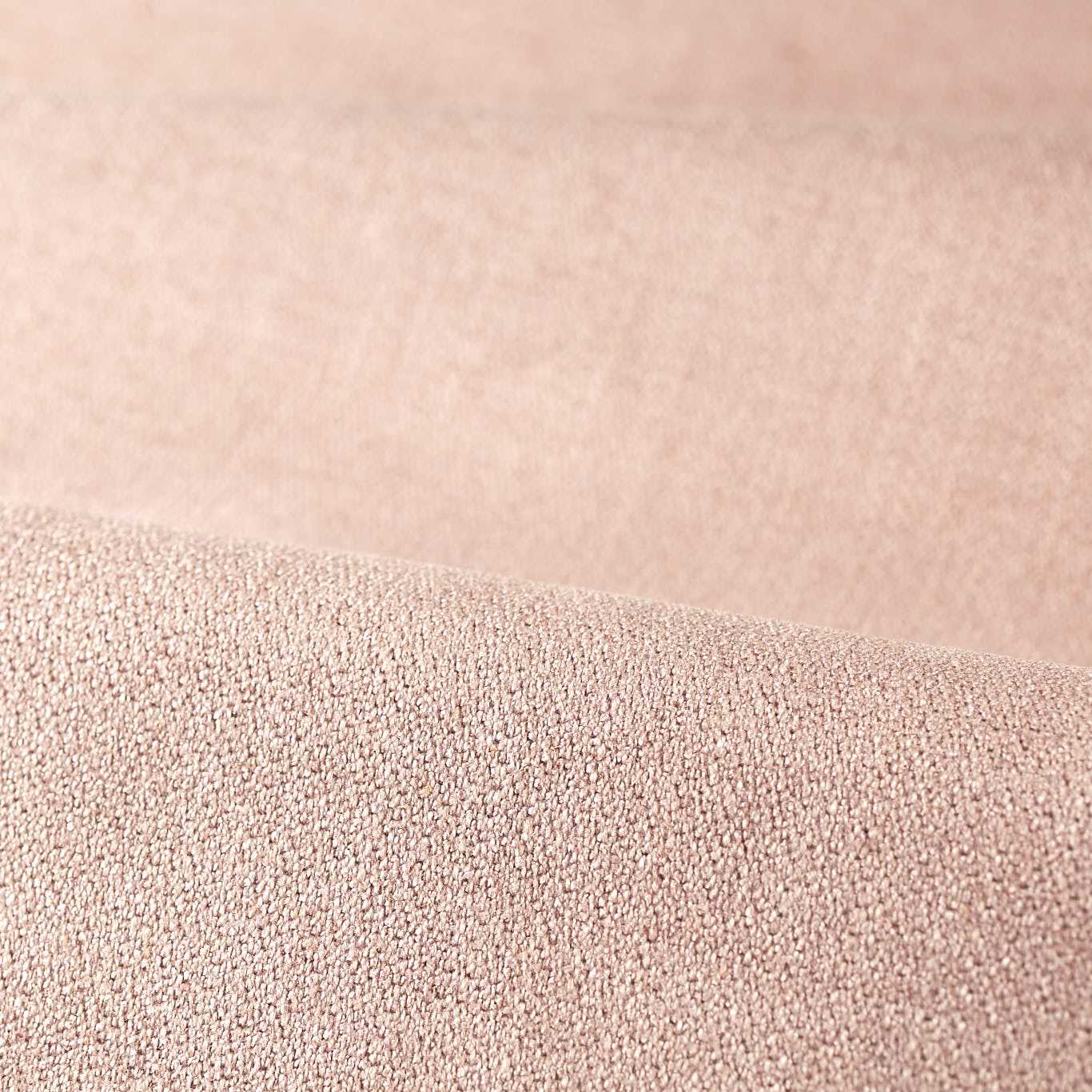
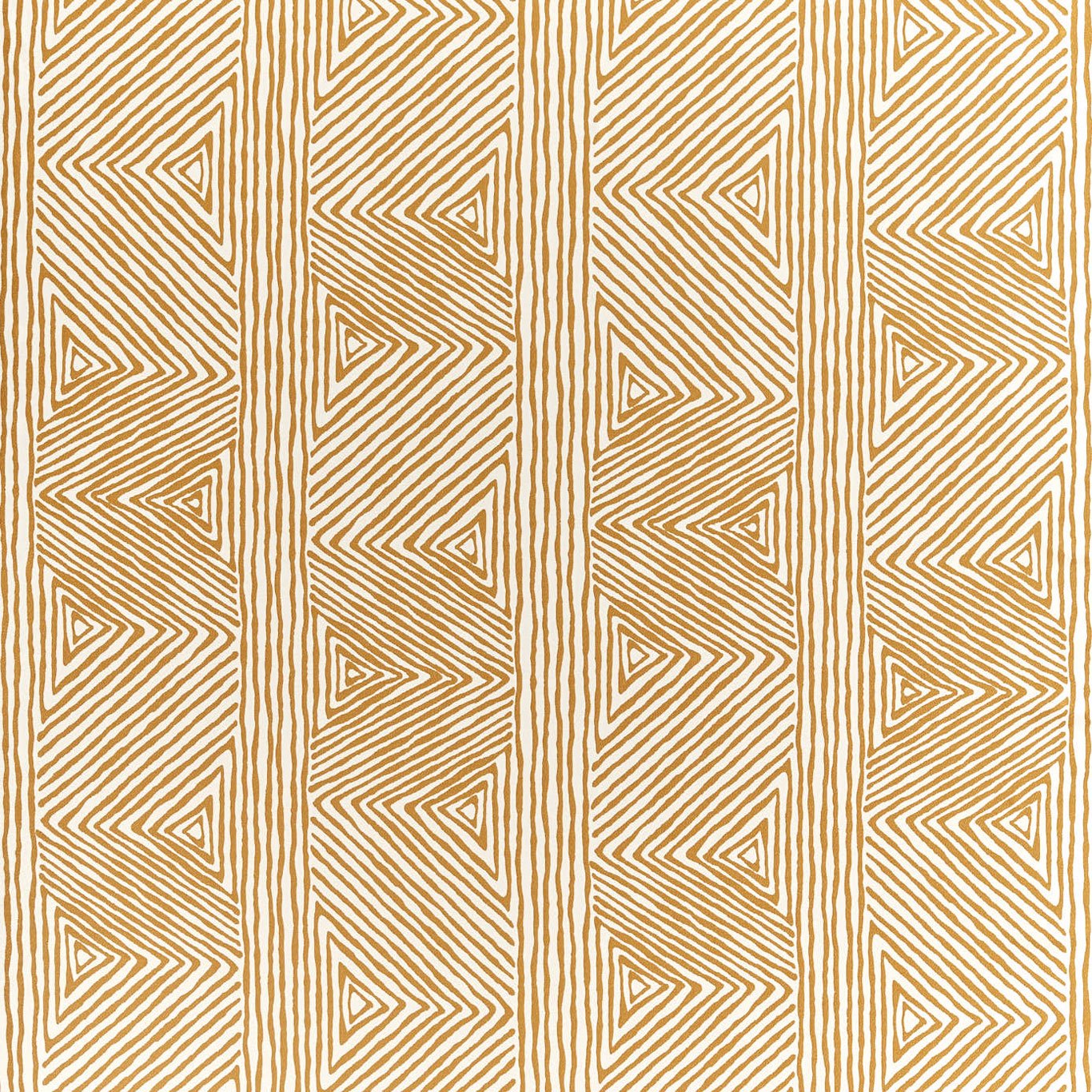
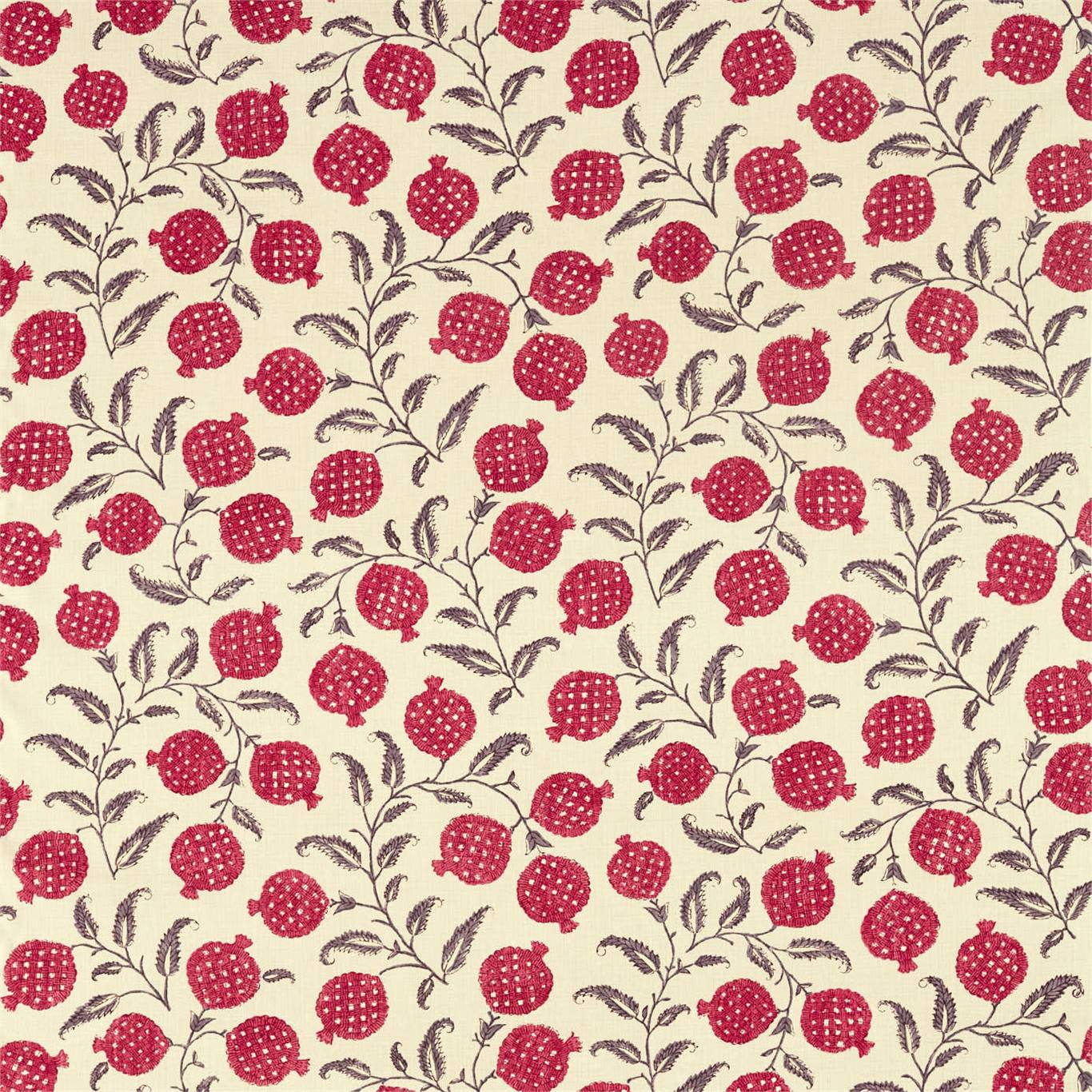
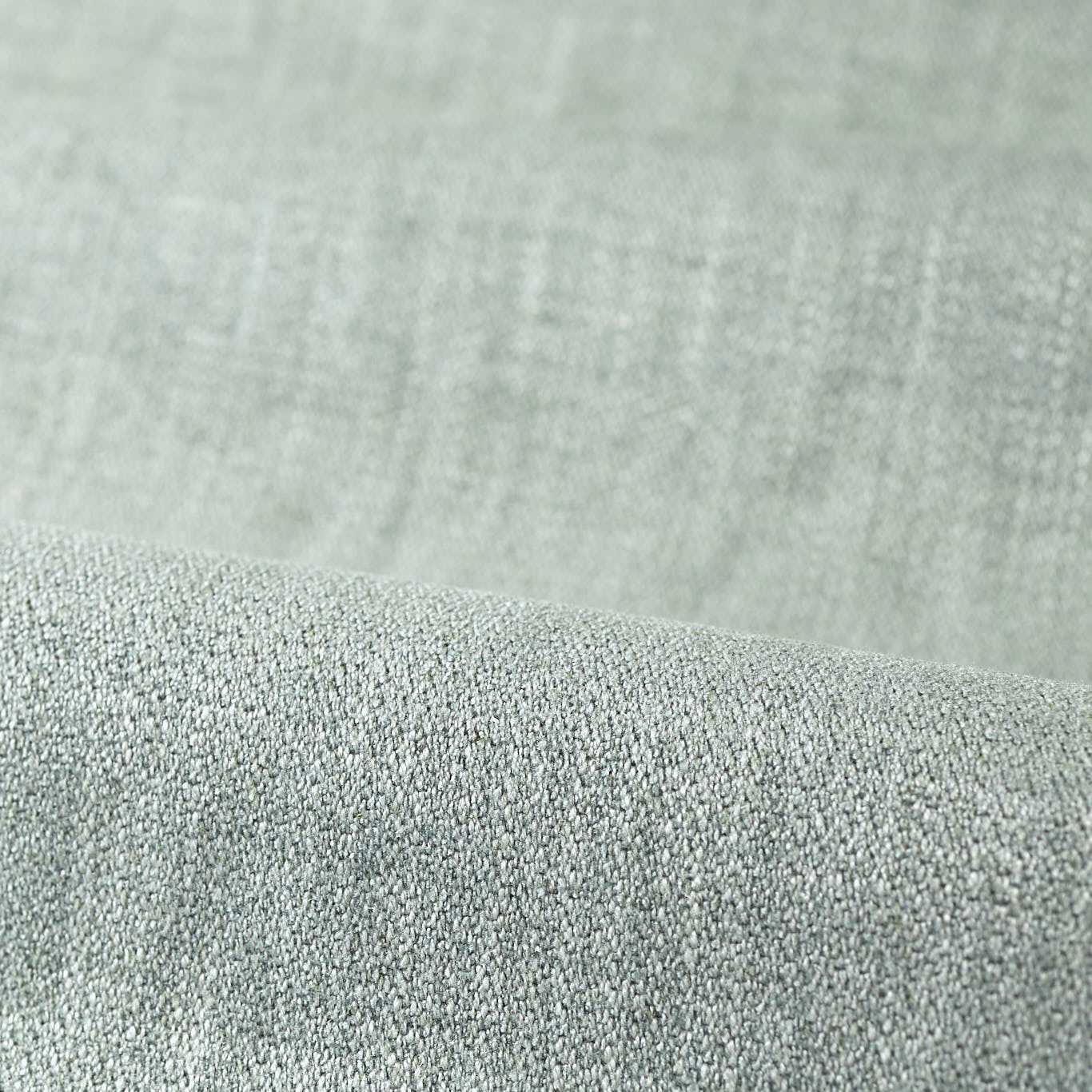
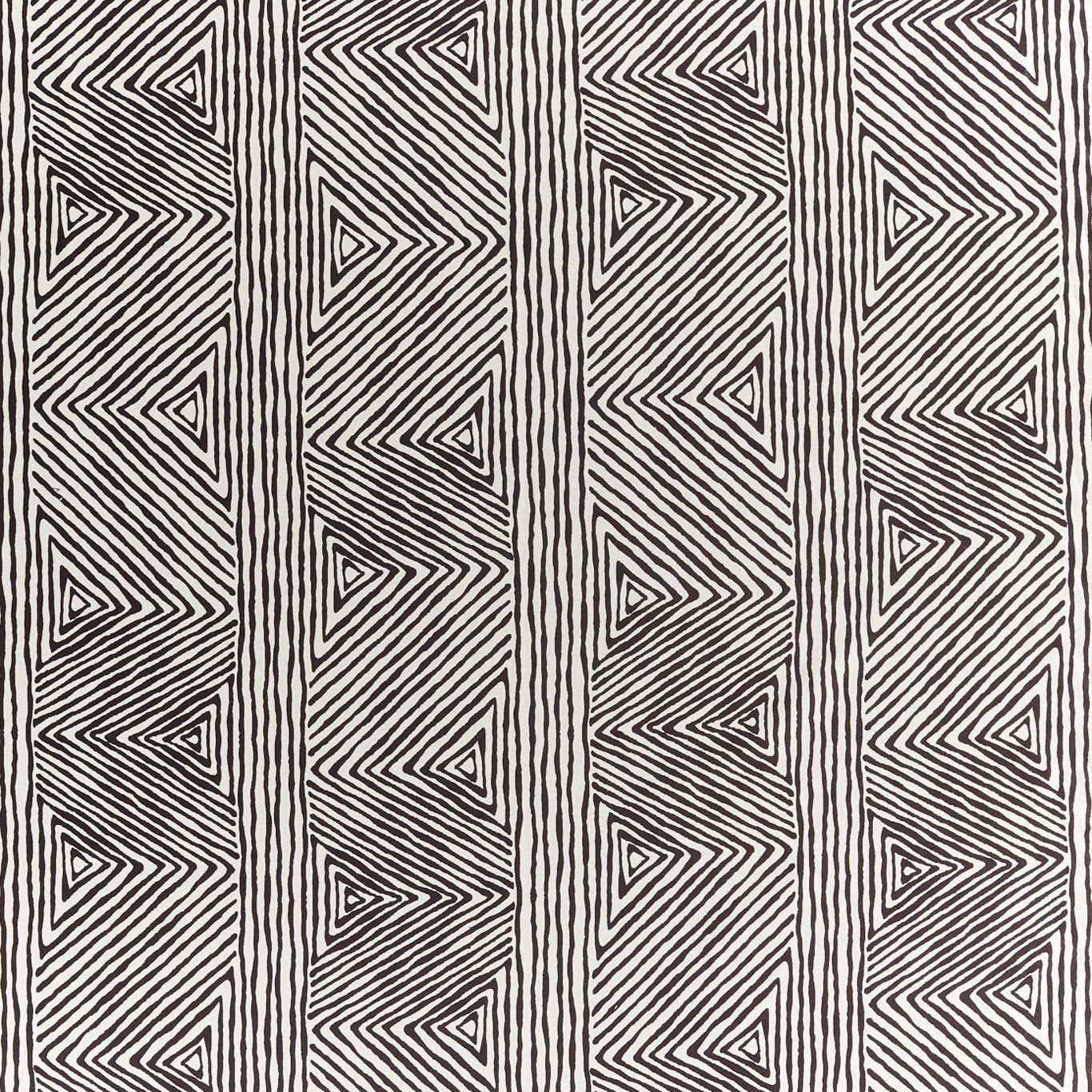
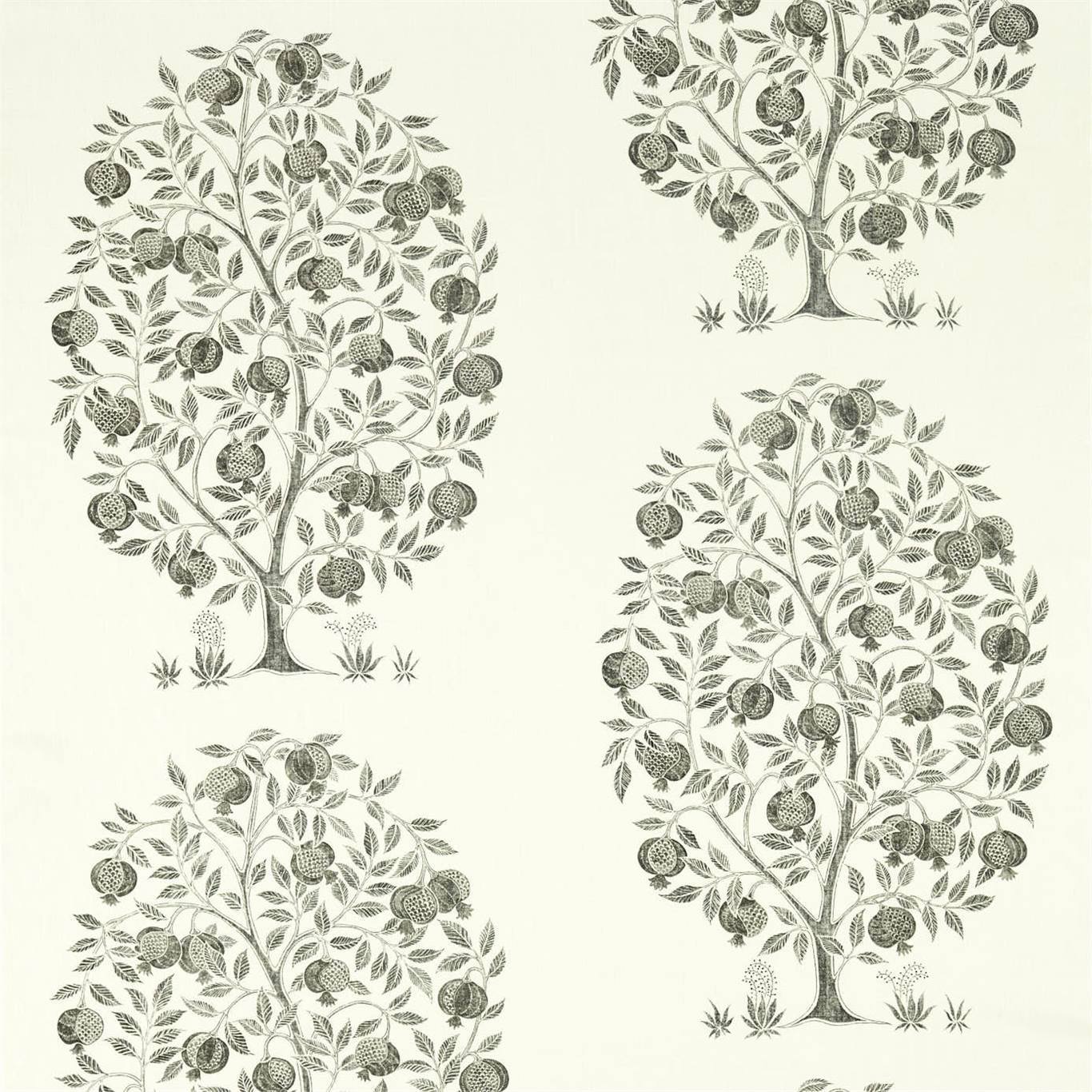
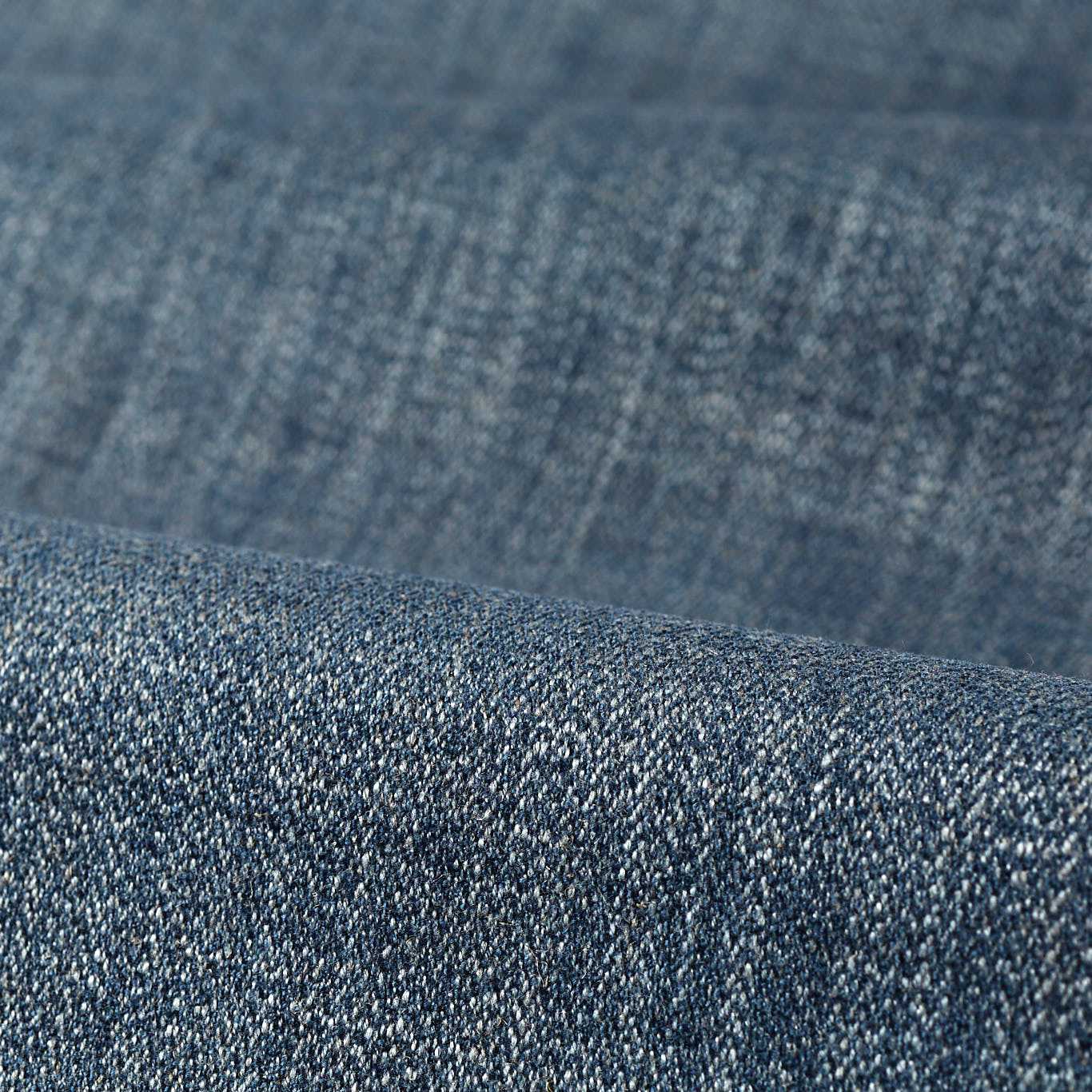
How designer fabric collections actually drop
Fabric houses release on a calendar, not at random. The big introductions cluster around the spring and fall markets, when showrooms rotate their walls and reps start carrying new memo samples. Between those beats, smaller capsule collections and reissues from an archive trickle out, which is where a weekly habit of checking pays off. The pattern you notice on a Friday may have shipped to reps only days earlier.
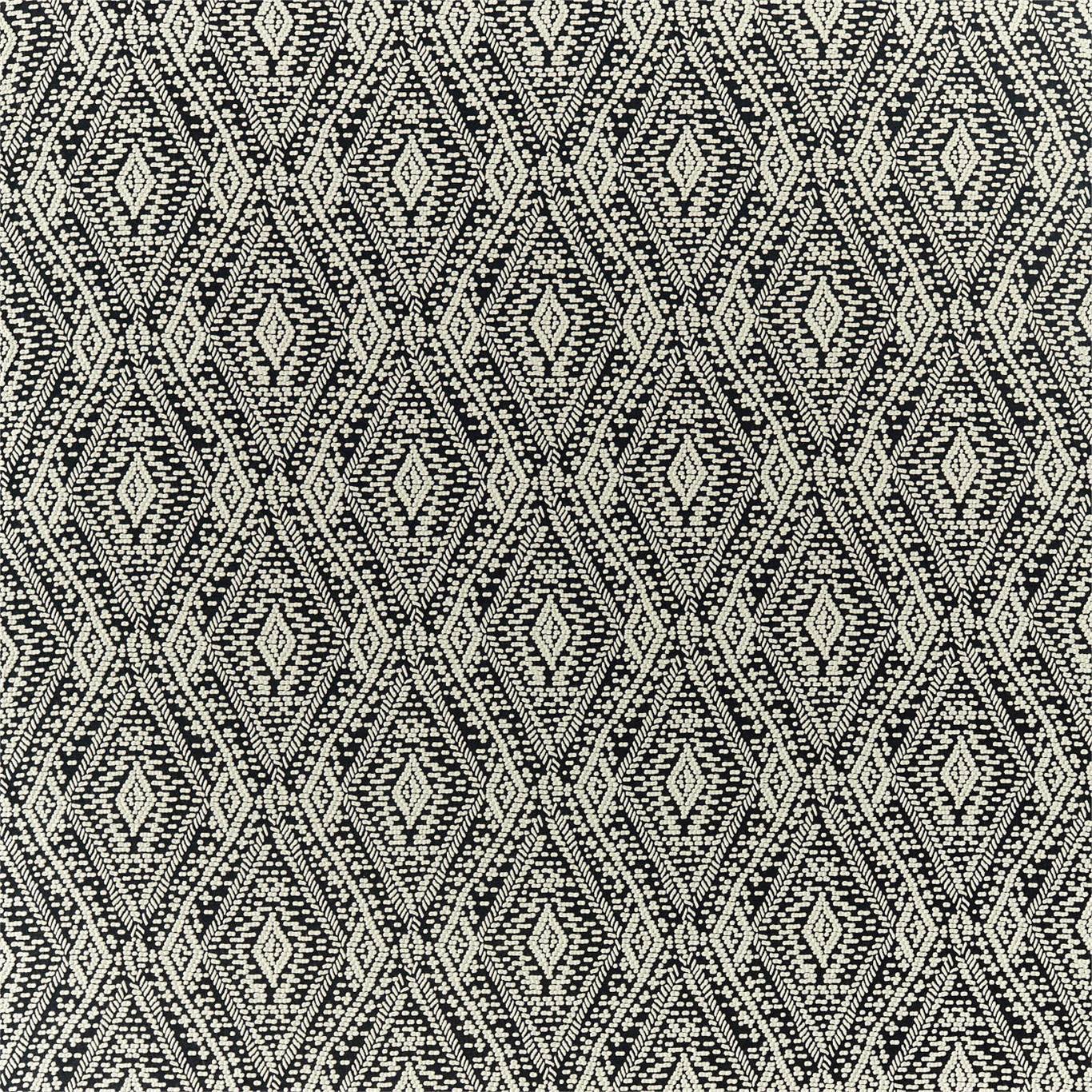
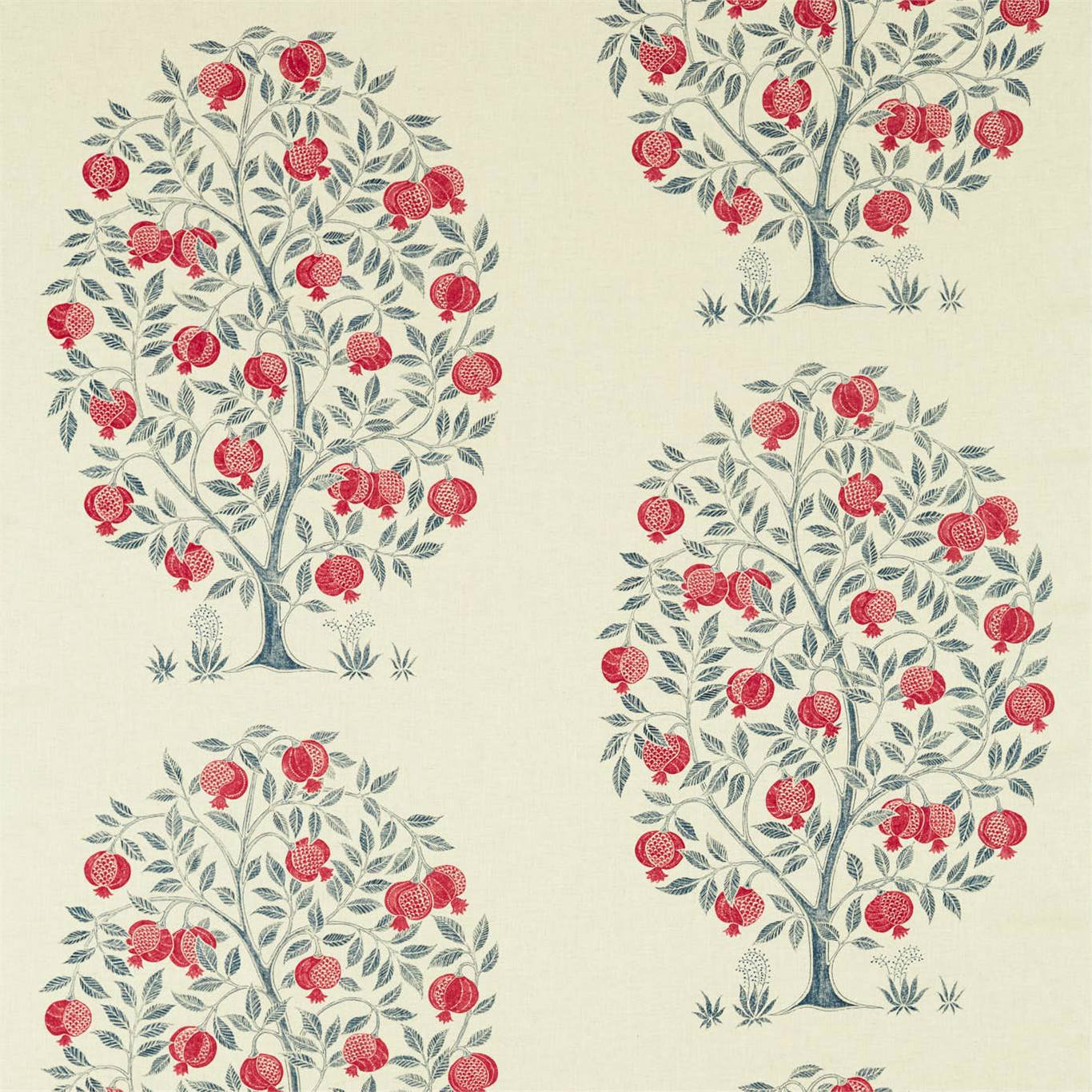
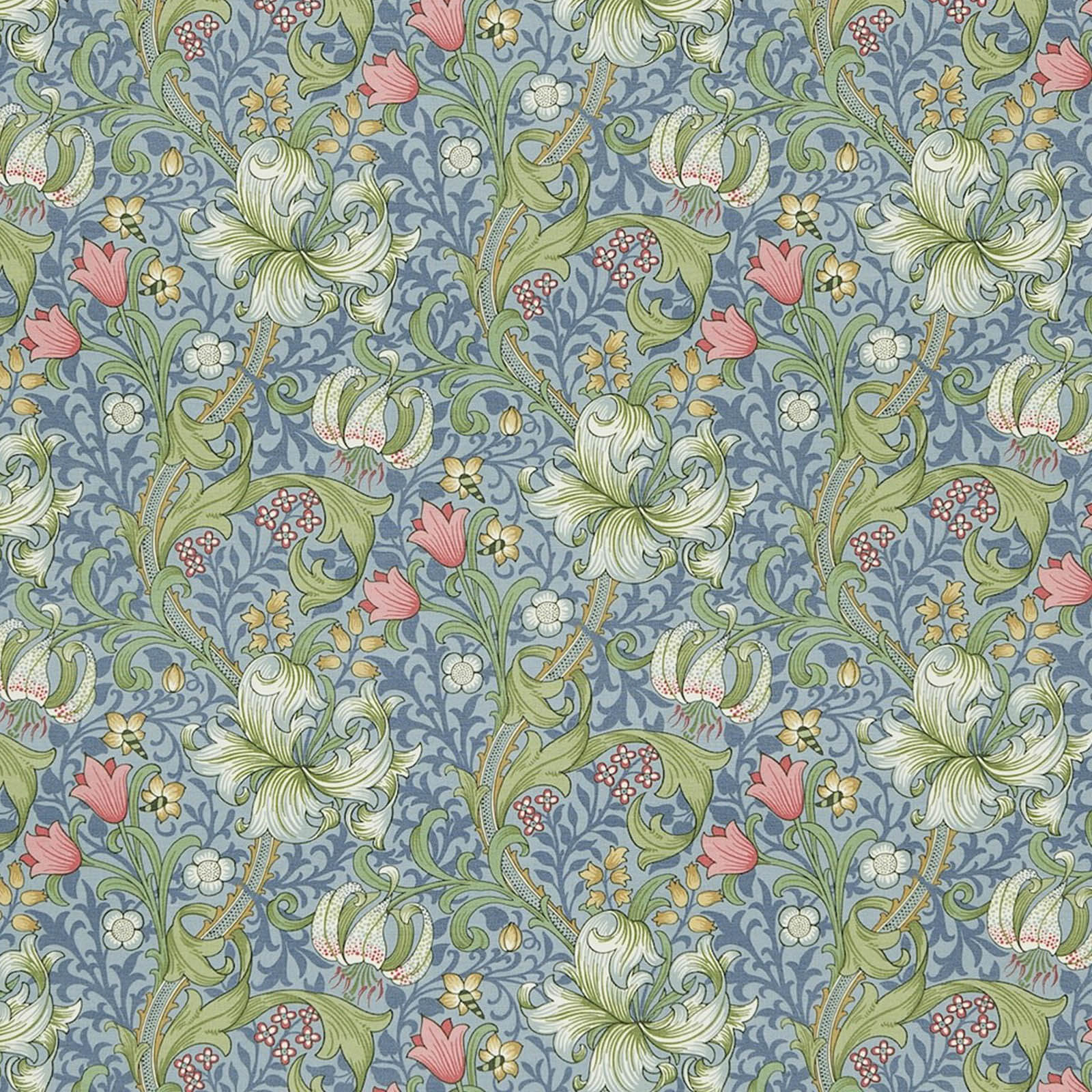
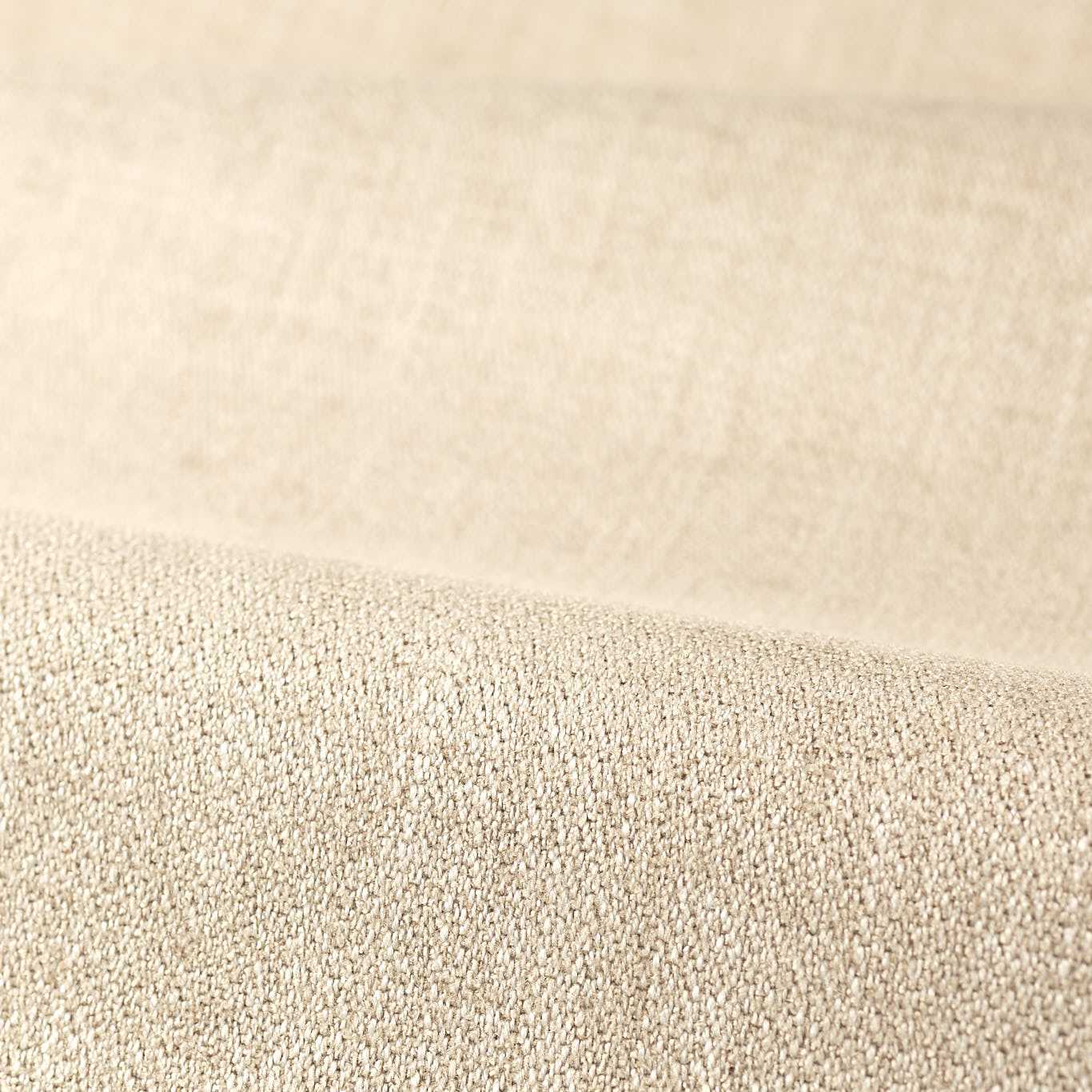
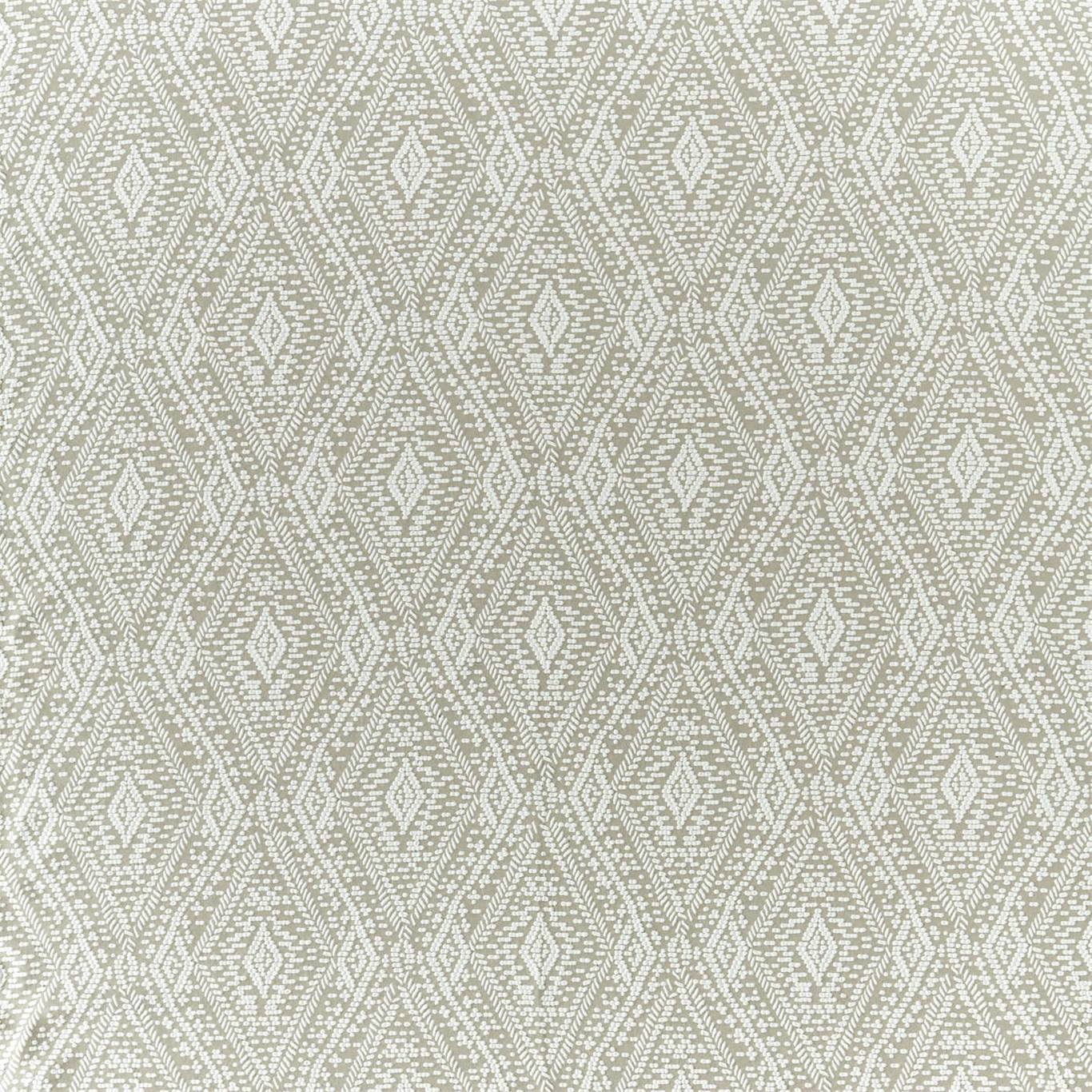
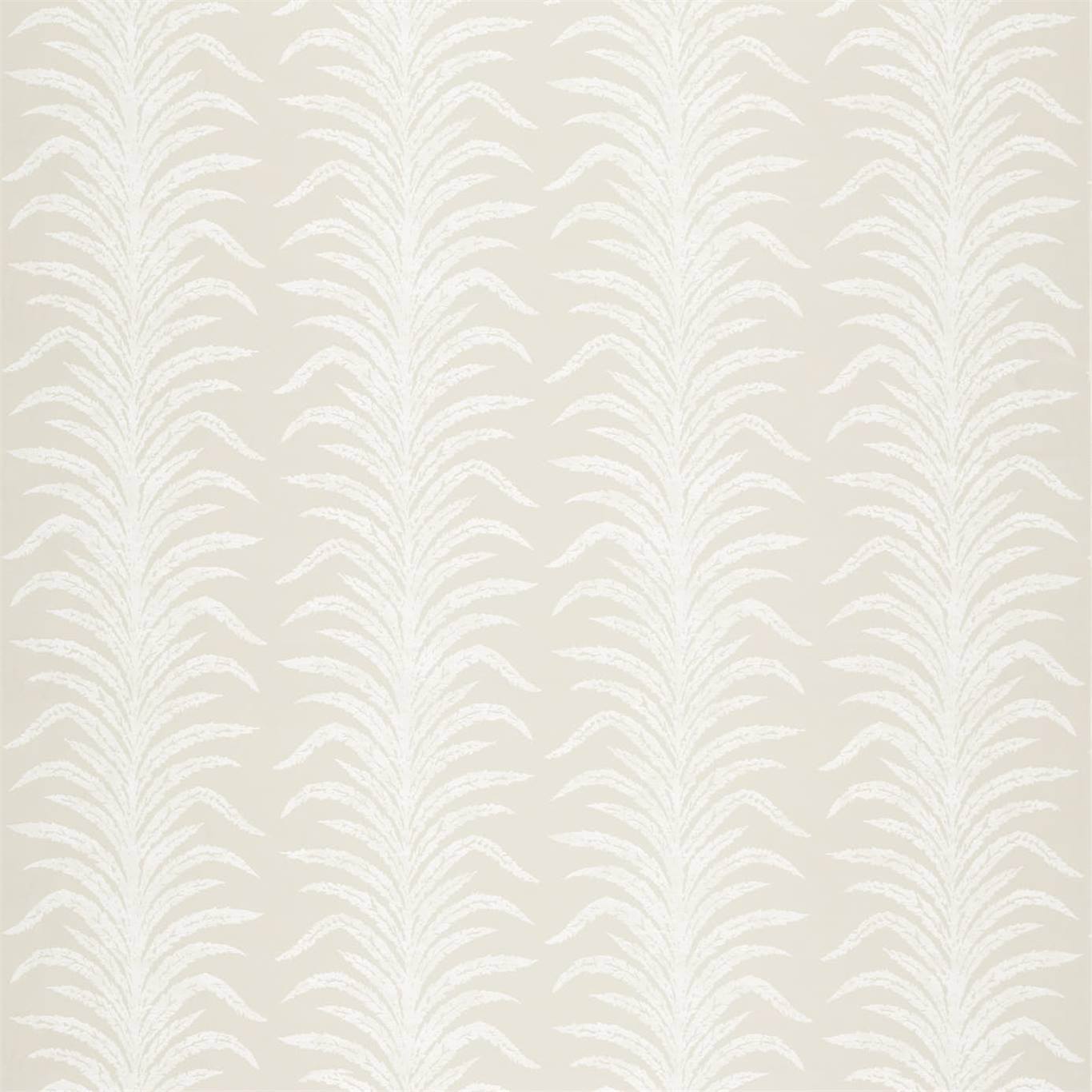
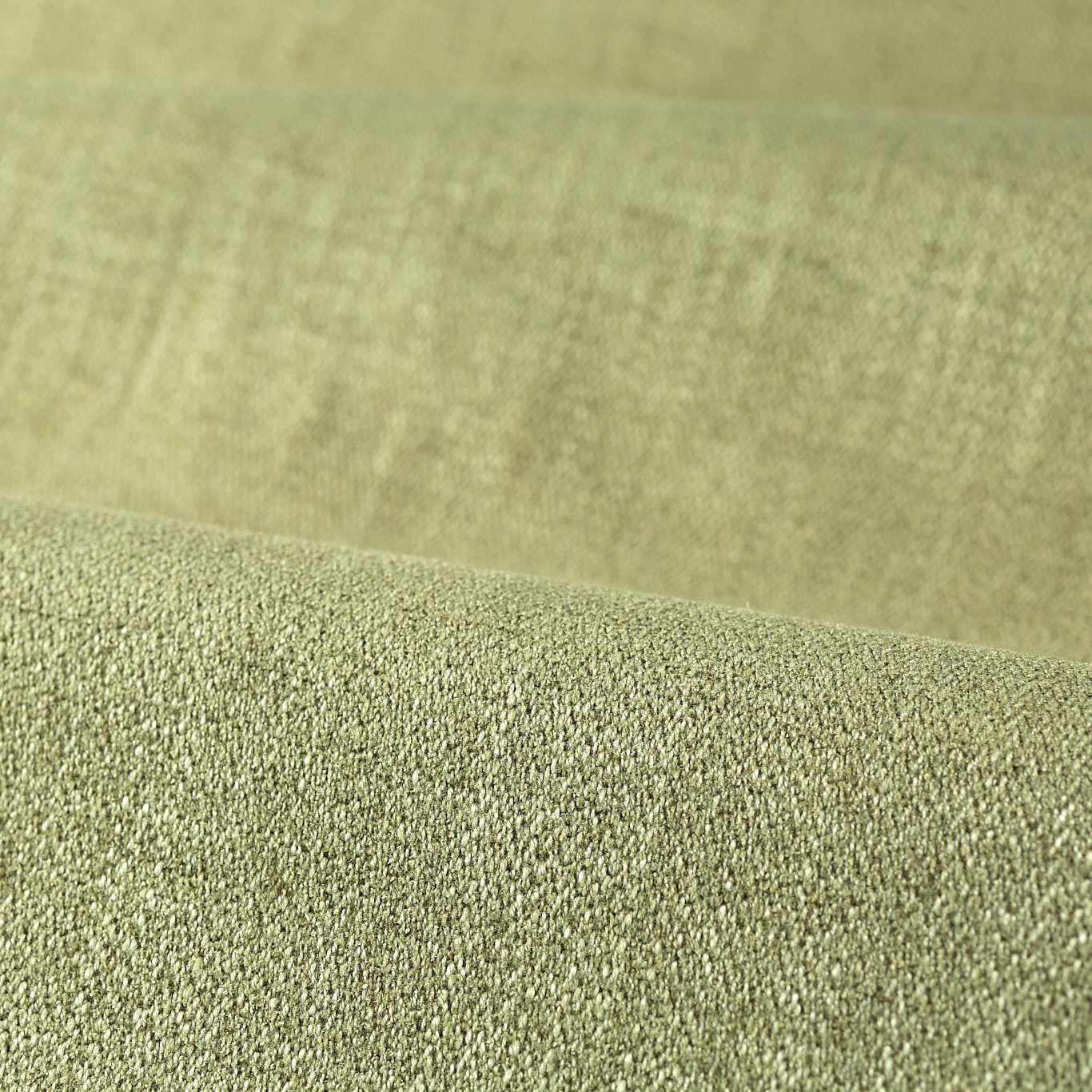
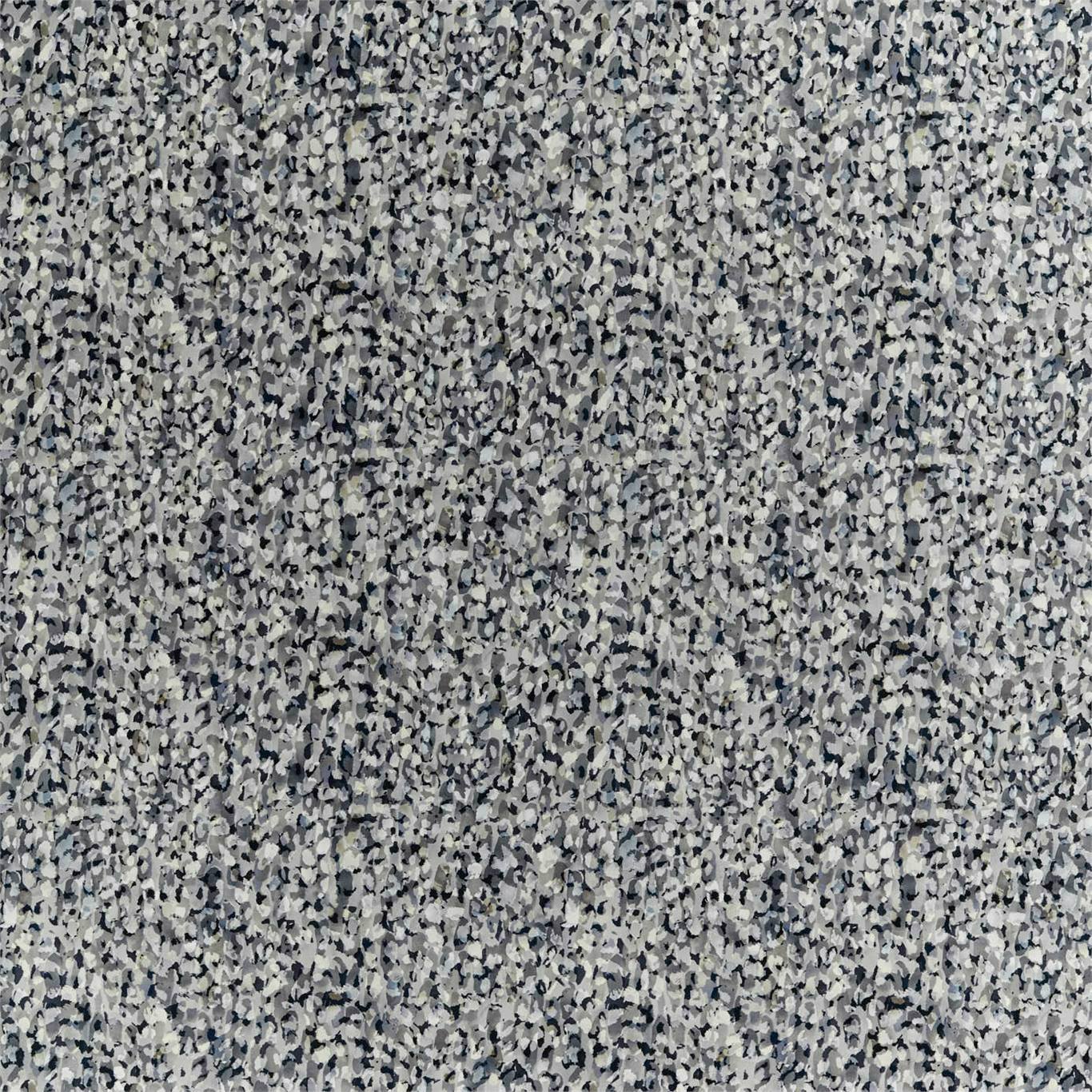
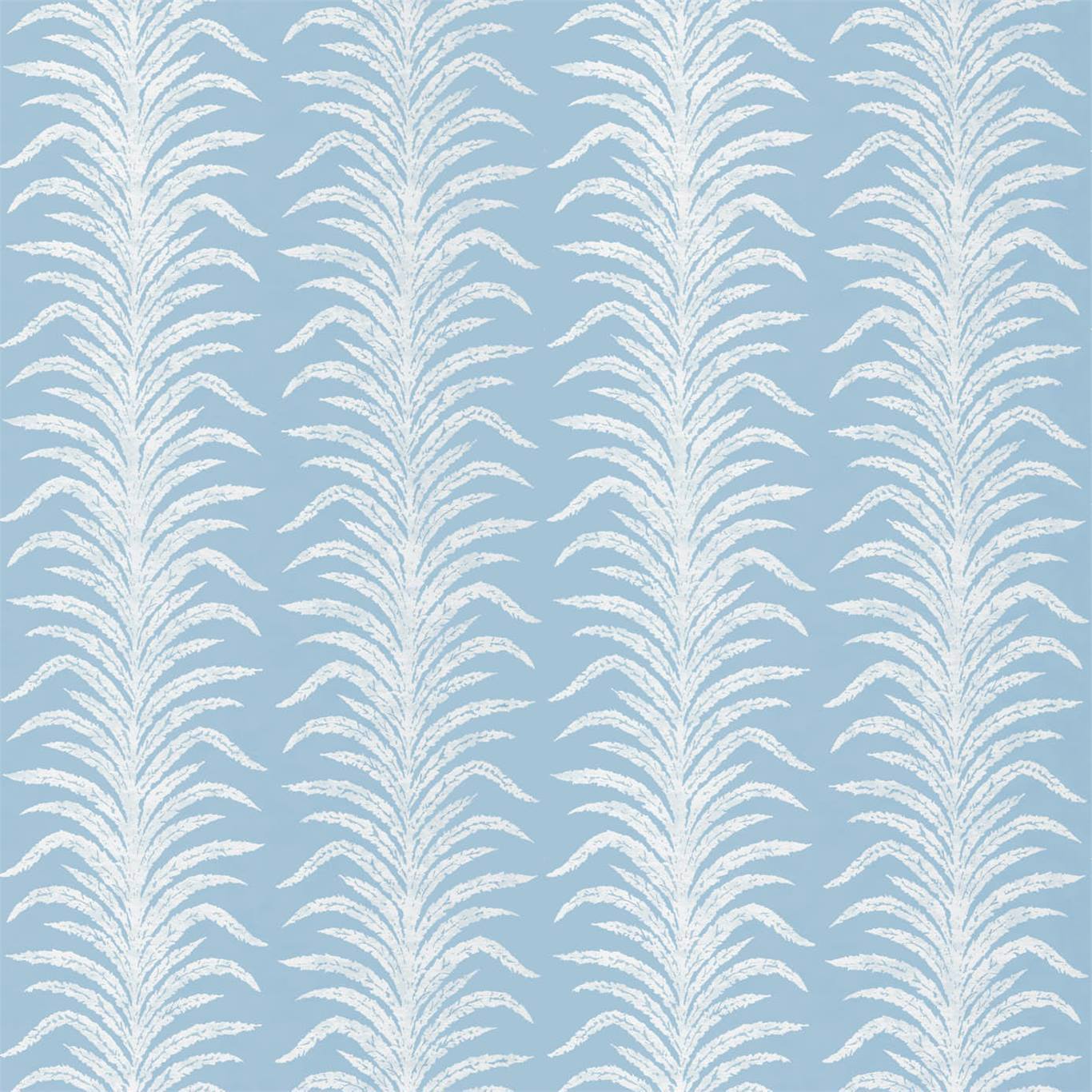
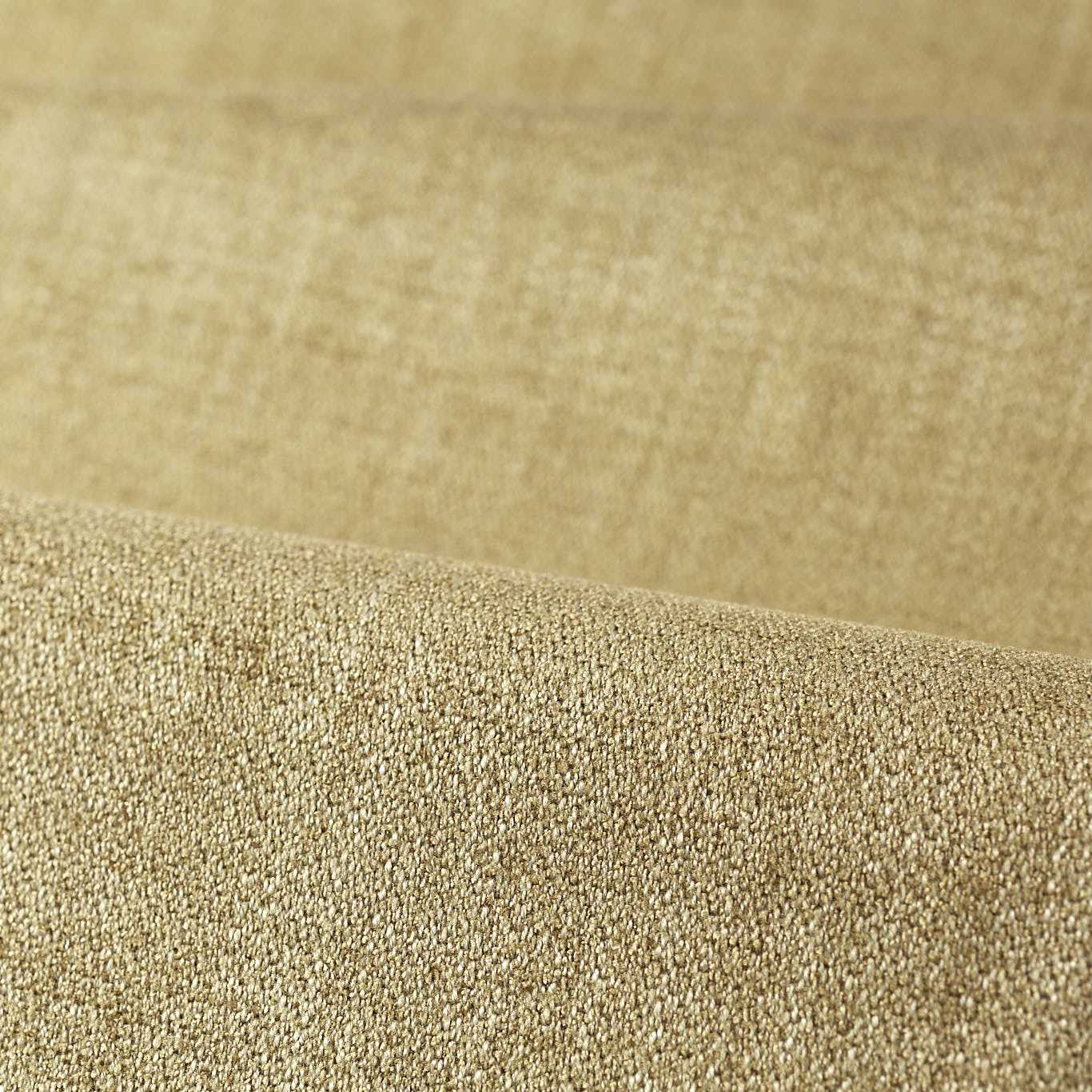
A collection is usually built around a story: a color card, a handful of hero prints, and a set of coordinating textures and wovens meant to work together in one room. When you see a new drop, look at the whole family, not just the headline print. The plain weave or small geometric next to the statement floral is often the piece that does the real work on a sofa or drapery panel.
Reading a fabric before you commit
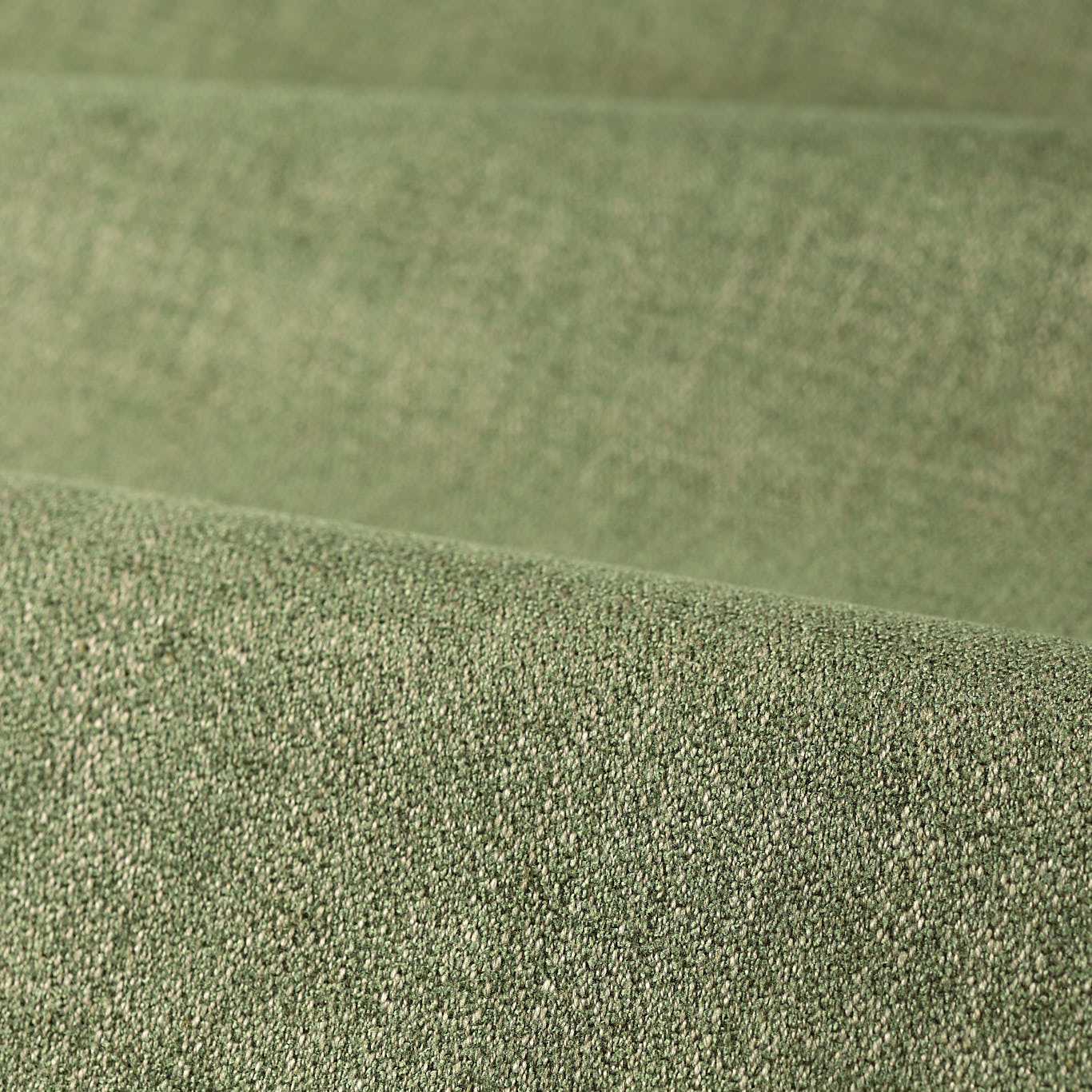
A photo tells you the pattern; it does not tell you whether the fabric belongs in your project. Start with the content and construction. A linen-cotton blend drapes and wrinkles differently than a tight polyester weave, and a printed cotton behaves nothing like a yarn-dyed jacquard where the pattern is woven in and reads the same on both faces. The fiber content line on a tearsheet is the first thing a specifier checks.
Then read the performance numbers. The double rub count (a Wyzenbeek or Martindale figure) tells you how much abrasion a fabric takes before it wears, which decides whether it can live on a daily-use seat or belongs on a pillow. Note the repeat size, the usable width, and the railroaded-or-not direction, because those three numbers drive how much yardage a job needs and whether seams will land where you want them.
Order a memo before you order yards
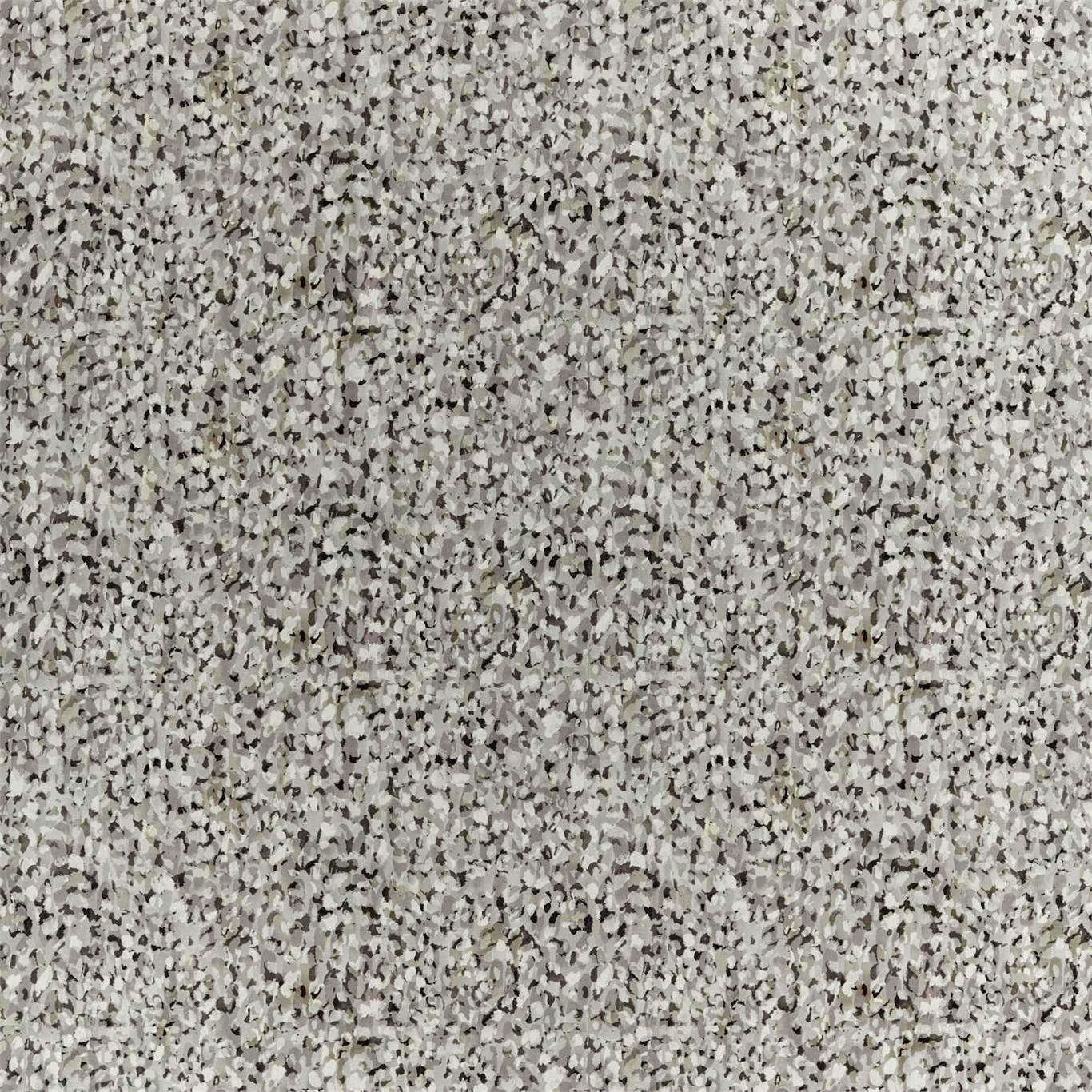
The single best habit in fabric selection is requesting a memo sample, a cutting large enough to see the true color, hand, and scale in the actual room. Screens lie about color, and a print that looks crisp online can read muddy under a warm bulb or wash out by a north window. Tape the memo to the wall and live with it across a full day of changing light before you buy.
New introductions move fast, so treat a memo as a placeholder, not a decision. When a collection is fresh, mills are still cutting from the first dye lots, and color can shift slightly batch to batch. If a room needs a lot of yardage, order it all from one cut to keep the dye lot consistent, and confirm stock before you promise a client a delivery date.
Quick checklist before you order
- Whole familyStudy the coordinating textures and solids, not just the hero print.
- Fiber + weaveContent and construction decide drape, durability, and how it takes light.
- Double rubsMatch the abrasion rating to the use: seat, drapery, or pillow.
- Repeat + widthThese numbers set your yardage and where seams will fall.
- One dye lotOrder all yardage from a single cut so color stays consistent.
Frequently asked
What does 'double rubs' mean on a fabric?
It's an abrasion test count: higher numbers survive more wear, so heavy-use upholstery wants a high figure while a decorative pillow can use far less.
Why does the online color look different from my sample?
Screens can't reproduce dye accurately and room light shifts everything, which is exactly why you order a memo and view it in the actual space.
What is railroaded fabric?
It's woven so the pattern runs sideways off the roll, letting you upholster a wide piece or a long sofa back without a seam.
Read more
- This week's fiber: what linen's slubs and creases are actually telling youThe bumps and wrinkles that read as flaws in a cheap fabric are, in linen, the fingerprint of the fiber itself.
- Reading a fabric's rub count: Martindale, Wyzenbeek, and what 'heavy duty' meansTwo abrasion tests dominate the specs, they use different machines and different numbers, and confusing them is how the wrong fabric ends up on a hard-working chair.
- The Jacquard loom: how a 200-year-old punch-card machine still decides what's on the boltDamask, brocade, and tapestry-weave fabrics owe their intricate patterns to a control system invented in 1804 that also happens to sit at the root of computing.
- Beyond Paint: The Quiet Luxury of Textured Wallcoverings